How Can Regular Workplace Inspections Prevent Costly Problems?
A small workplace issue can quickly become a major disruption when it goes unnoticed. Damaged equipment, blocked access routes, deteriorating structures, or unsafe working conditions can affect productivity, increase maintenance costs, and expose people to unnecessary risks.
For Australian businesses, regular workplace inspections provide a practical way to identify potential problems, document findings, and take action before conditions deteriorate.
What Is a Workplace Inspection?
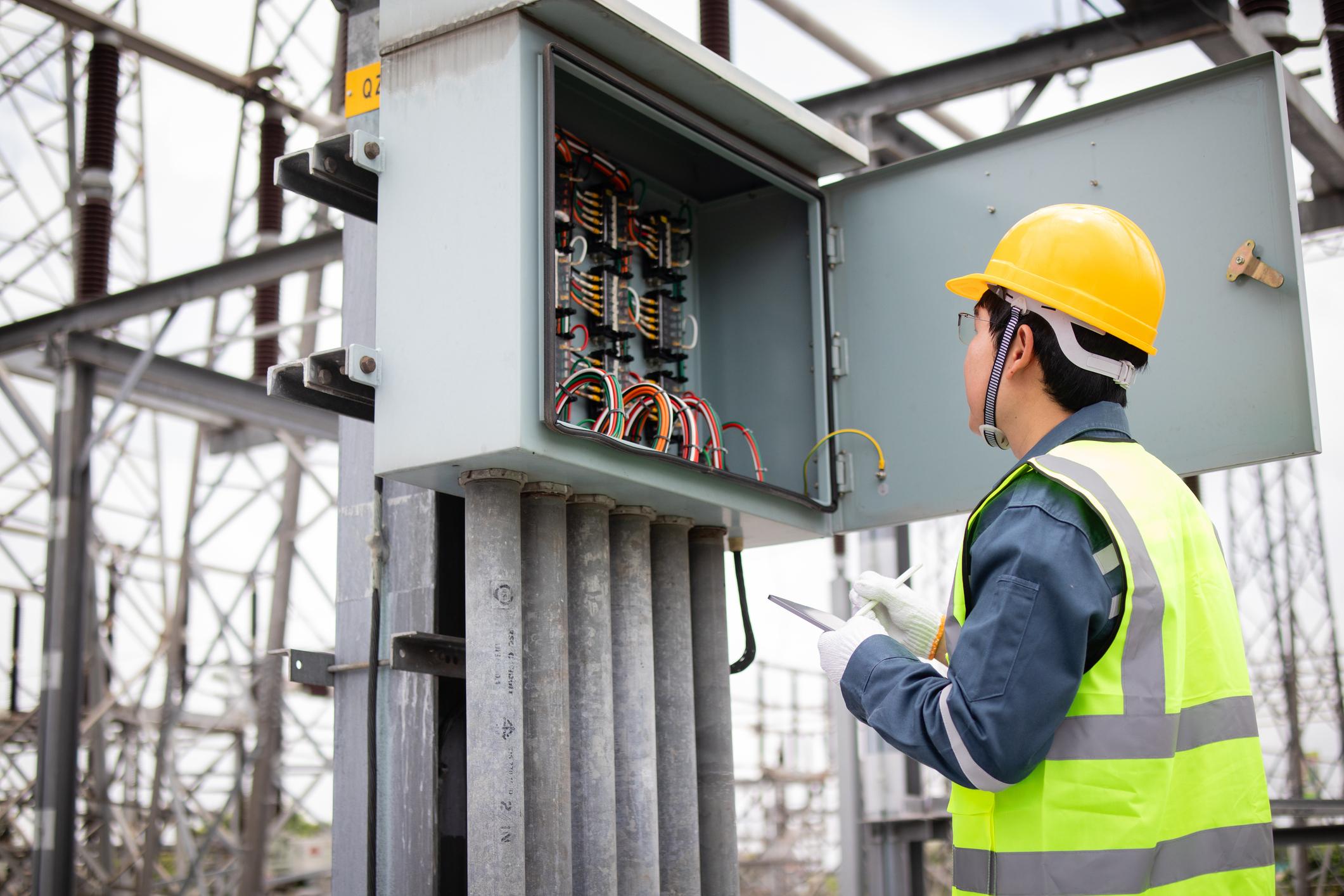
A workplace inspection is a structured examination of a worksite, facility, equipment, or specific working conditions to identify hazards and assess whether relevant requirements are being met.
Depending on the site and inspection scope, this may involve checking access routes, machinery, work areas, storage practices, visible equipment condition, safety controls, and maintenance issues.
The purpose is to identify concerns, record relevant findings, and help the business determine what action is needed.
Five Problems Regular Inspections Can Help Identify
1. Equipment Deterioration
Equipment can wear down through regular use, environmental exposure, and ageing. Inspections may identify visible damage, unusual conditions, or maintenance concerns that require further investigation.
Early identification can help businesses plan appropriate repairs and avoid preventable disruption.
2. Unsafe Access and Working Conditions
Blocked walkways, damaged flooring, poor storage practices, and obstructed emergency access can create hazards for workers and visitors.
Routine inspections help identify these conditions so responsible personnel can assess and address them.
3. Maintenance Issues
Minor defects may become more serious when maintenance is delayed. Inspection findings can help maintenance teams prioritise work, allocate resources, and track outstanding actions.
4. Inconsistent Workplace Practices
Different teams or shifts may follow different procedures. Structured inspections can highlight recurring issues and help managers identify where additional training, clearer procedures, or better supervision may be needed.
5. Missing or Outdated Records
Incomplete maintenance records, missing inspection documentation, and unclear responsibility for corrective actions can make it difficult to demonstrate that issues have been addressed.
A consistent inspection and recordkeeping process helps improve visibility and accountability.
How to Build an Effective Inspection Process
A useful inspection programme should be based on the workplace's actual risks, equipment, operations, and applicable obligations.
Step 1: Identify the areas that need attention.
Consider the site's activities, equipment, previous incidents, known hazards, and maintenance history.
Step 2: Establish an appropriate inspection schedule.
Inspection frequency should reflect risk, equipment requirements, manufacturer guidance, applicable standards, and relevant legal obligations. A single schedule will not suit every workplace.
Step 3: Use a consistent checklist.
A checklist helps inspectors follow a defined process and record relevant observations consistently. It should be tailored to the site rather than treated as a substitute for professional judgement.
Step 4: Record findings clearly.
Document the issue, its location, supporting evidence where appropriate, and the action required. Assign responsibility and suitable completion timeframes based on risk.
Step 5: Follow up on corrective actions.
An inspection only provides lasting value when findings are reviewed and appropriate action is taken. Track outstanding issues and verify completion where necessary.
Are Internal Checks Enough?
Routine internal checks can be valuable for identifying everyday hazards and monitoring workplace conditions. However, some equipment, activities, or regulated environments may require assessment by a suitably qualified or authorised professional.
The appropriate approach depends on the subject being inspected, the required level of assurance, and the applicable obligations.
Businesses should confirm when specialist inspection, testing, certification, or other independent assessment is necessary.
Why Documentation Matters
Good inspection records help businesses understand recurring problems, monitor corrective actions, and plan maintenance more effectively.
Over time, these records can reveal patterns such as repeated equipment defects, common housekeeping issues, or areas where procedures need improvement.
They also help relevant personnel understand what was checked, what was identified, and what happened next.
Make Workplace Safety Part of Everyday Operations
Effective workplace inspections are not simply about completing a checklist. They are about recognising potential problems, making informed decisions, and ensuring that important findings receive appropriate attention.
By establishing a consistent, risk-based inspection process, businesses can improve visibility across their operations and take a more proactive approach to workplace safety and maintenance.
Need help with workplace and site inspections?
Contact our team to discuss your site, inspection objectives, and the type of assessment that may be appropriate for your business.